


Downhill Skate Race
4.5176.00 Reviews
App Specs
- Version
- 1.6.2
- Updated On
- License
- Free
- Downloads
- 5,000,000+
- Developer
- Freeplay Inc
- Categories
- Arcade
- Platform
- Android
Screenshots
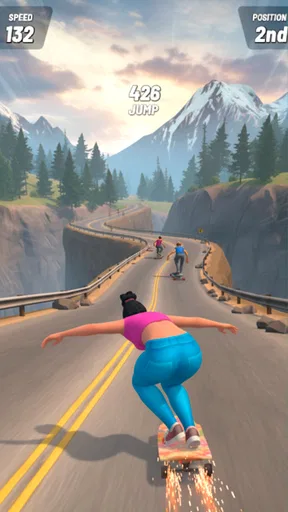
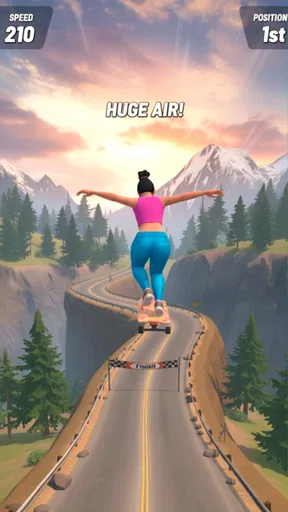
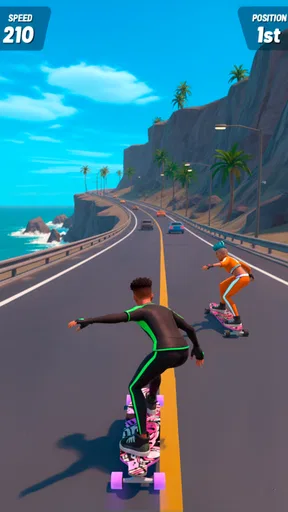
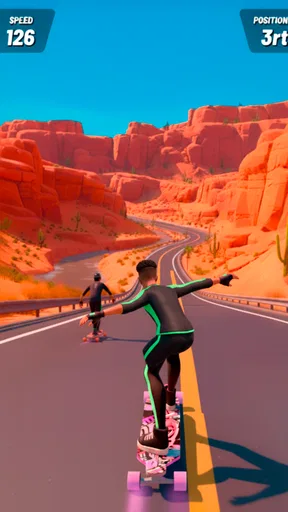
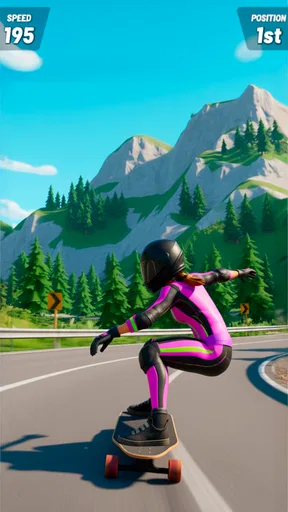
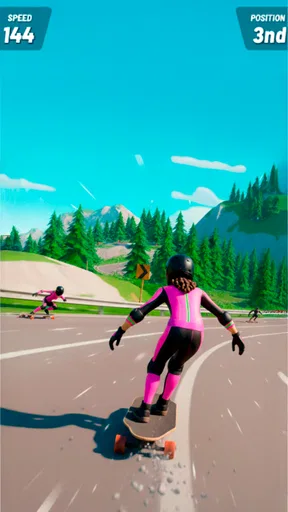
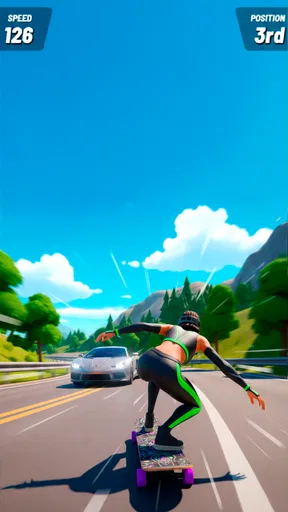
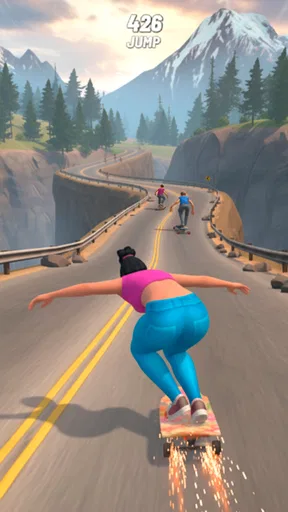
 Analysis by AppCompare
When I judge an arcade game, I want to know whether it earns a place in the short breaks where I actually play: waiting for a ride, taking a breather, or looking for something more active than a puzzle. Downhill Skate Race has an appealing premise for that kind of session, pairing a skateboard with downhill racing. It is free to download, so trying it does not require an upfront purchase. That makes the first decision easy; the more important question is whether its style of play is the sort I will want to return to.
What free access means for the decision
The game is listed as free, which is a useful starting point if I want an arcade diversion without paying to install it. Free access is not the same as a guarantee that every part of the experience will suit me, though. I would treat the download as a chance to test the controls and the pace for myself, rather than assume that “free” means there are no other considerations. I would also avoid making a purchase decision based on imagined extras: the price fact that matters here is that the game itself is free.
It is developed by Freeplay Inc and is rated Everyone, so the basic age classification is broad. That can make it an easy title to consider for a casual household gaming session, while still leaving parents to decide what fits their own family. Its current version is 1.6.2, and it requires Android 6.0 or later on Android. I would check that requirement before downloading on an older device; a game that looks like a lightweight pick is no use if the phone cannot run it.
Where its value comes from
The appeal is less about realism than about the quick fantasy of steering a board downhill and trying to make each run feel better than the last. That arcade framing gives it a clear purpose: I can open it when I want an energetic game, without committing to a long story or learning a complicated simulation. The store describes it as a high-speed skateboard simulation, but I would approach it as an arcade game first, where immediate response and repeatable runs matter more than recreating every detail of real skating.
That distinction helps set expectations. Someone who wants a deep skateboarding sandbox, careful trick choreography, or a realistic sports career may prefer a game built around those priorities. A downhill arcade racer has a narrower appeal, but that focus can be a benefit when I have only a few minutes. The value is in whether the central ride feels engaging enough to repeat, not in how many unrelated modes a game can claim to offer.
The Thrill of the Race
Alright, so first things first, the core concept of Downhill Skate Race is simple but oh-so-addictive. You’re basically racing down these insane hills on a skateboard, trying to outpace your competitors while pulling off some sick tricks. The controls are pretty intuitive, which is a big plus if you’re not a hardcore gamer. A few swipes and taps, and you’re carving down the hill like a pro.
Graphics and Sound
The game really shines with its vibrant graphics. The developers have done a fantastic job of creating a visually appealing world that makes you feel like you’re right there on the board. The environments are varied and beautifully crafted, from bustling cityscapes to serene mountain paths. Plus, the sound design? Absolutely on point. The rush of wind, the clatter of wheels on different surfaces, and the energetic soundtrack all add to the immersive experience.
Worth Reading Before You Choose

EA SPORTS FC Mobile 26 Is a Bigger Football Game, but It Takes Time

Flipboard Shows What News Apps Must Do Beyond the Feed

Switching to Android Auto Means Rethinking Your Driving Routine

Google Calendar Makes a Crowded Week Easier to Manage

Ludo King Makes the Most of the Minutes Between Plans

Baby Panda World Brings Quick Play to Modern Phones, but Its Game Library Feels Busy
Reading a run, not just reacting
For a downhill game, the useful habit is to look a little ahead rather than focus only on the skater. On a phone screen, reacting late can make a route feel more chaotic than it needs to. I would use the opening portion of a run to get a feel for how quickly the board responds, then make smaller, deliberate inputs instead of swiping hard every time something changes. That is a practical way to learn the handling without treating every missed move as proof that the controls are bad.
Short sessions also make it easier to notice whether a mistake came from my timing or from not understanding the route. If I keep repeating the same section, I can change one thing at a time—when I steer, how long I hold an input, or whether I attempt a trick—rather than changing everything at once. This kind of self-check is especially useful in an arcade racer, where the urge to chase speed can make a player overlook the simple benefit of staying in control.
Customization Galore
One of the coolest features is the level of customization available. You can trick out your skateboard with various designs and upgrades, making it not just about speed but also style. There are plenty of options to personalize your skater too, with outfits that range from casual streetwear to more outlandish gear. This makes the game feel fresh as you progress and unlock new items.
Style, upgrades, and sensible expectations
Customization can serve two different kinds of player: someone who enjoys making a character look distinctive, and someone who likes having a reason to keep progressing. I would decide which of those matters more to me before spending time chasing every unlock. If I mainly want a clean, quick race, cosmetic choices are a pleasant extra rather than a reason to keep playing. If I enjoy seeing a skater evolve visually, they can give repeated runs a personal touch.
The mention of upgrades is worth approaching thoughtfully. In a game built around downhill movement, an upgrade can sound like a promise that every run will become easier. I would pay attention to how changes feel in play rather than assume that a higher-level board automatically makes me better. A useful way to judge an upgrade is to compare similar attempts before and after it, keeping my route and approach as consistent as I can. That separates a genuine handling improvement from the natural effect of learning the course.
Challenges and Gameplay
Now, let’s talk challenges. The game throws a variety of tasks your way, keeping things exciting. From time trials to trick challenges, there’s always something to aim for. The progression system is well-balanced, rewarding you with new gear and boards as you improve. It’s got this great mix of easy-to-learn but hard-to-master gameplay that keeps you hooked for hours.
Picking the right moment to play
A realistic use case is a short wait when I have enough time to focus on a run but not enough to settle into a longer game. I would start with one attempt, see whether I am enjoying the pace, and stop if I find myself replaying only out of frustration. That small boundary matters: an arcade game is at its best when the next try feels inviting, not like an obligation to recover progress.
When a challenge asks for a particular kind of performance, I would prioritize that goal rather than trying to do everything in one run. A trick objective and a time-focused objective encourage different decisions; trying to maximize both at once can make a run feel needlessly messy. This is a simple but useful trade-off: choose the task that matters for that attempt, and treat other rewards as a bonus. It gives each replay a purpose without requiring a long play session.
Community and Competition
What’s a racing game without a little competition, right? Downhill Skate Race offers online leaderboards and multiplayer modes, so you can stack your skills against players from around the world. It’s a blast seeing how you rank globally and pushing yourself to climb higher on the leaderboard. Plus, you can connect with friends and challenge them directly, which adds a social dimension to the game. The competitive edge is sharpened by the game’s frequent events and tournaments, keeping the community engaged and active.
How it compares with other arcade choices
Compared with a typical endless runner, this game’s skateboard-racing identity gives the action a more specific feel: the fantasy is about descending on a board, not simply avoiding obstacles while running forward. Compared with a full skateboarding simulator, the arcade framing is likely the better fit for someone who wants a quick contest rather than a detailed practice space. Those are different kinds of fun, so I would not call one universally better. If I care most about a straightforward, energetic race, this is the lane I would explore; if I want precise, open-ended control of skating, I would look for a more simulation-focused alternative.
Competition can also change how I use the game. A leaderboard is motivating when I want a clear target, but it can make a casual session feel like a test if I focus too much on rank. I would play a few runs for my own improvement first, then check how I compare with others. That keeps the social element enjoyable even when I am not near the top. For a friend who is not interested in online comparison, the basic downhill idea is still the reason to try it; the competitive layer need not define every session.
Ease of Access
Another highlight is how accessible the game is. It runs smoothly on both Android and iOS, and it doesn’t require a high-end device to enjoy. The app is well-optimized, ensuring that even on older devices, you get a seamless experience without those annoying lags or crashes.
Who is likely to get the most out of it?
I would recommend giving it a try to players who like arcade sports, quick races, and the small satisfaction of improving a run through practice. It may also suit someone curious about skateboard games who is not ready to commit to a demanding simulation. The game has a broad Everyone rating, and its free price makes sampling it straightforward. It is less compelling for someone who dislikes repeated attempts, wants a deep career structure, or expects realistic skating to be the main attraction.
For a shared device, I would keep the decision practical: check the Android requirement, let the intended player try the controls, and see whether the downhill pace feels comfortable. A game can be easy to understand in concept yet still demand quick visual attention. If that style of play is not enjoyable, the low barrier to trying it does not mean anyone needs to stick with it. A slower puzzle or a less reflex-driven arcade game would be a better choice for a player who wants to relax without tracking a fast-moving course.
A balanced verdict on its value
The game has an average rating of 4.5 from around 48,000 ratings, and it has passed five million installs. Those figures suggest that many players have been willing to give it a go, but I would treat popularity as context rather than proof that it will fit my taste. The useful test is still whether the board handling, challenge loop, and presentation work for the way I like to play.
My verdict is to try it if the idea of a quick downhill skate race sounds fun and you are comfortable with arcade-style repetition. The free download keeps the initial commitment low, while the mix of racing, tricks, and customization gives the premise a few different hooks. I would skip it if I am specifically shopping for realistic skate physics or a slow, story-led experience. As a focused arcade option from Freeplay Inc, it makes most sense when I want a lively short session and do not need it to be more than that.
So there you have it, folks. Downhill Skate Race is a thrilling ride that combines the joy of skating with the excitement of racing. Its engaging gameplay, stunning graphics, and robust community features make it a standout in the sea of racing games. If you’re looking to kill some time and enjoy a bit of adrenaline-pumping fun, give it a download and start shredding those virtual hills!
Pros
- Intuitive controls enhance gameplay experience.
- Stunning graphics with vibrant environments.
- Variety of levels keeps it engaging.
- Smooth performance on most devices.
- Compete with friends on the leaderboard.
Cons
- In-app purchases can be pricey.
- Advertisements appear frequently.
- Limited customization options.
- Requires constant internet connection.
- Battery drain on older devices.
FAQs for Downhill Skate Race
What are the system requirements for Downhill Skate Race?
Downhill Skate Race requires a minimum of Android 6.0 or iOS 11.0 to run smoothly. For optimal performance, it's recommended to have at least 2GB of RAM and a quad-core processor. Ensure you have sufficient storage, as the game requires approximately 500MB of free space after installation.
Does Downhill Skate Race require an internet connection?
While Downhill Skate Race can be enjoyed offline, certain features such as leaderboards, in-game purchases, and multiplayer modes require an internet connection. Playing offline will limit access to some content, but it allows for uninterrupted gameplay during travel or when Wi-Fi is unavailable.
Are there in-app purchases in Downhill Skate Race?
Yes, Downhill Skate Race offers in-app purchases that enhance the gaming experience. Players can buy custom skateboards, outfits, and power-ups. While these purchases are optional, they can provide a competitive edge and additional customization options for your skater.
Is Downhill Skate Race suitable for children?
Downhill Skate Race is rated for ages 10 and up due to mild cartoon violence and in-game purchases. It's designed to be family-friendly, but parental guidance is recommended, especially regarding in-app purchases. Always use parental controls to manage spending and screen time effectively.
How customizable is the gameplay experience in Downhill Skate Race?
The game offers extensive customization options, allowing players to choose from a variety of skateboards, outfits, and character appearances. Additionally, players can upgrade skills and unlock new abilities as they progress, tailoring the experience to their play style and preferences.


